Blogs
Where Are The 122,000 Who Don't Sit For PLE?
Communications@GSF
Feb 26, 2024
2
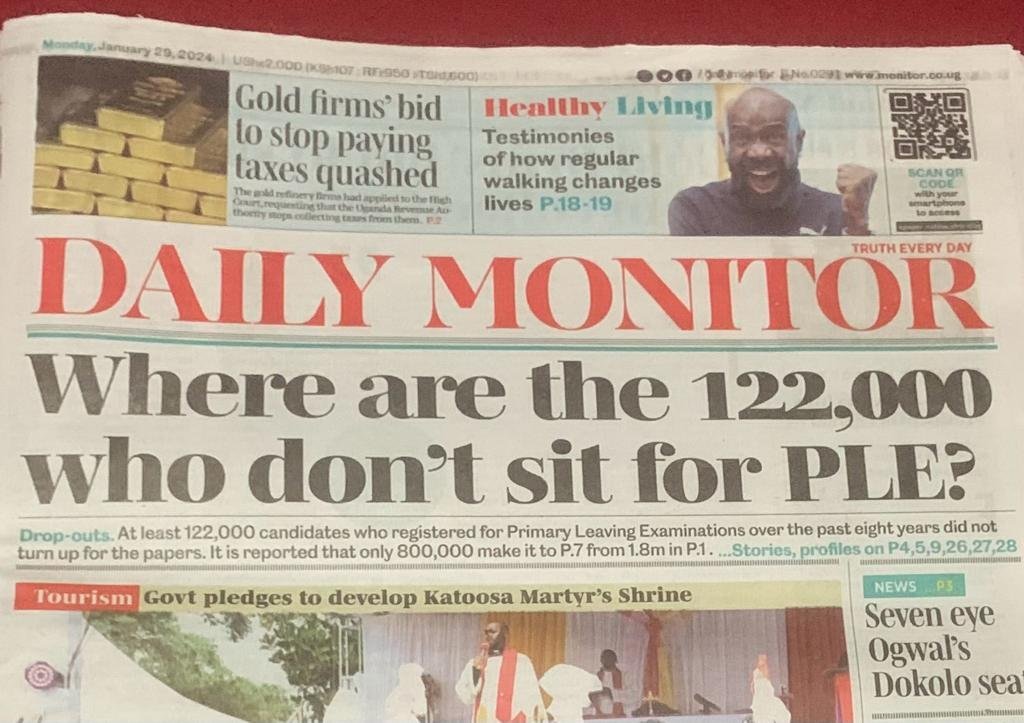
The recent revelation that 122,000 children do not sit for the Primary Leaving Examination (PLE) raises serious questions about the state of education in Uganda and the barriers preventing children from completing their primary education.
**Understanding the Numbers**
The 122,000 children who do not sit for PLE represent a significant portion of Uganda's primary school population. This number includes children who:
• Drop out of school before reaching P7
• Are unable to afford examination fees
• Face barriers such as distance to examination centers
• Are affected by family circumstances or economic challenges
• Have special needs that are not adequately addressed
**Root Causes**
Several factors contribute to this concerning statistic:
• **Economic Barriers** Many families cannot afford the costs associated with PLE, including examination fees, transportation, and materials
• **Geographic Challenges** Children in remote areas may not have access to examination centers
• **Quality of Education** Poor quality education in some schools may discourage children from continuing
• **Family Circumstances** Economic pressures may force children to leave school to work or help support their families
**The Impact on Children**
Children who do not sit for PLE face significant challenges:
• Limited opportunities for secondary education
• Reduced employment prospects
• Perpetuation of the cycle of poverty
• Limited access to higher education and professional opportunities
**What Can Be Done**
Addressing this issue requires a multi-faceted approach:
• **Financial Support** Providing scholarships and fee waivers for disadvantaged children
• **Infrastructure Development** Building more examination centers in remote areas
• **Quality Improvement** Enhancing the quality of primary education
• **Community Engagement**Working with communities to understand and address local barriers
• **Policy Reform** Advocating for policies that support universal primary education
**Good Shed Foundation's Role**
At Good Shed Foundation, we are committed to addressing these challenges through:
• Educational support programs for disadvantaged children
• Community awareness campaigns about the importance of education
• Partnership with schools and local authorities to improve access
• Advocacy for policies that support universal education
**Moving Forward**
The 122,000 children who do not sit for PLE represent not just a statistic, but 122,000 individual stories of potential unfulfilled. It is our collective responsibility to ensure that every child has the opportunity to complete their primary education and realize their full potential.
We call on all stakeholders – government, NGOs, communities, and individuals – to work together to address this critical issue and ensure that no child is left behind in Uganda's education system.
Article Tags
#education
#PLE
#children
#Uganda
About the Author
Communications@GSF
Author & Contributor
Dedicated to transforming lives and building stronger communities through compassion and action.
Article Details
Published
Feb 26, 2024
Category
Blogs
Reading time
2 min
More Articles
Discover more inspiring stories and insights from Good Shed Foundation.
Back to ArticlesRelated Articles
Explore more articles in the same category
Blogs
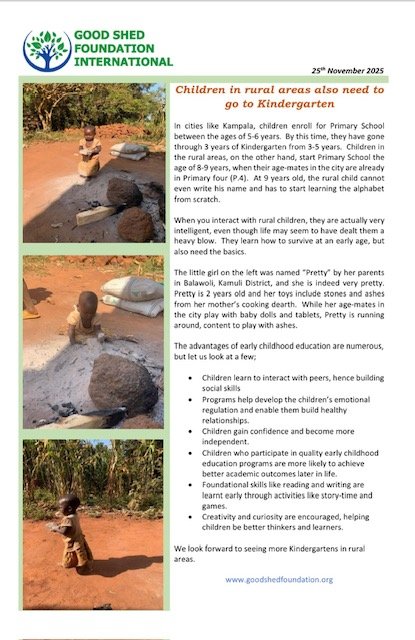
Early Childhood Education in rural areas
Children in rural areas need Early Childhood Education just as much as those in cities do. Why then dont we see as many Kindergartens in the rural areas?
Nov 26, 2025
1

Blogs
Open Communication Is Important
Executive Director Ruth Kato emphasizes the importance of open communication in building strong community relationships and effective program delivery.
Mar 08, 2025
1